
News
Smart Tax Tips for 2026
November 19, 2026
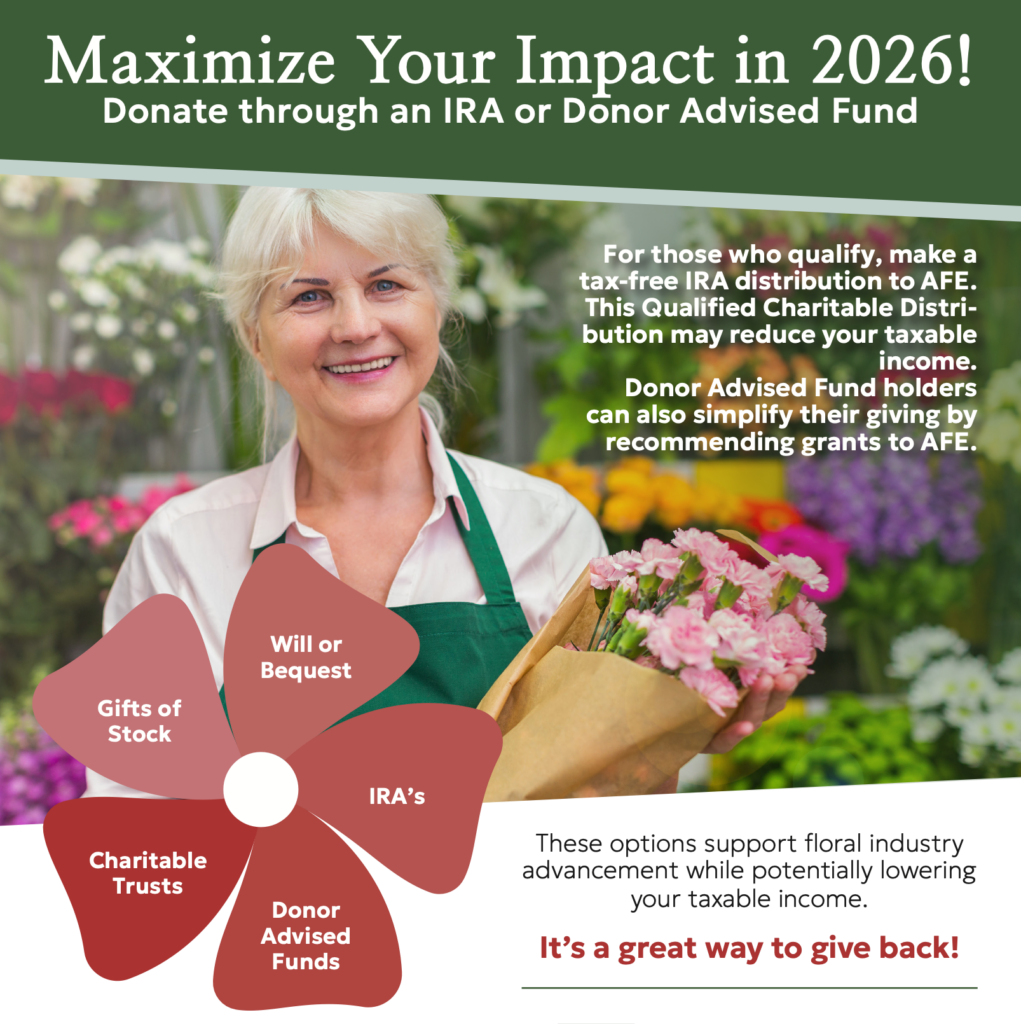
As 2026 comes to a close, charitable giving can be a meaningful way to support causes you care about while potentially reducing your tax burden. Whether you’re planning a year-end contribution, managing retirement distributions, or considering a gift of stock, several tax-smart giving options are worth exploring.
Here are a few opportunities to discuss with your financial or tax advisor before December 31.
1. Give Directly from Your IRA and Potentially Save on Taxes
If you’re age 70½ or older, you may be eligible to make a Qualified Charitable Distribution (QCD) directly from your Individual Retirement Account (IRA) to a qualified nonprofit organization.
- Give up to $111,000 in 2026 through eligible IRA distributions without including the qualifying amount in your taxable income.
- Satisfy your Required Minimum Distribution (RMD). If you’re required to take annual withdrawals, generally beginning at age 73, a QCD can count toward that requirement.
- Avoid increasing taxable income. Unlike a regular IRA withdrawal followed by a donation, a qualifying QCD is excluded from taxable income, even if you don’t itemize deductions.
Important: Funds must be transferred directly from your IRA custodian to the charity. A QCD does not also qualify for a charitable income tax deduction.
2. Take Advantage of New Charitable Deductions for 2026
Good news for taxpayers who take the standard deduction! Beginning in 2026, eligible individuals can deduct certain cash donations without itemizing.
- Up to $1,000 for individual filers.
- Up to $2,000 for married couples filing jointly.
- Donations must be made to eligible charitable organizations. Gifts to donor-advised funds do not qualify for this new deduction.
For taxpayers who itemize, charitable contributions may still provide tax benefits. However, new rules for 2026 generally allow deductions only for contributions exceeding 0.5% of adjusted gross income, subject to other limitations. Read more here.
3. Consider Donating Appreciated Stock
Have investments that have increased in value? Donating appreciated stocks or securities directly to a qualified charity may offer advantages over selling them first.
- Potentially avoid capital gains taxes on appreciation.
- Qualify for a charitable deduction if you itemize, subject to applicable limits.
- Make a meaningful contribution without using available cash.
Generally, the greatest benefits apply to investments held longer than one year. Consult your advisor before transferring securities.
4. Explore Other Ways to Give
Depending on your financial circumstances and charitable goals, additional options may include:
- Donor-Advised Funds: Make a charitable contribution now and recommend grants to nonprofits over time.
- Planned Giving: Include a charitable organization in your will, trust, or estate plans, or designate a charity as a retirement account beneficiary.
- Recurring Contributions: Spread your charitable support throughout the year while maintaining flexibility in your budget.
Make Your Giving Meaningful
Charitable contributions do more than provide potential tax advantages. They invest in causes and communities that matter.
For those connected to the floral industry, supporting the American Floral Endowment (AFE) helps advance vital research, scholarships, educational opportunities, and industry resources that benefit today’s businesses and future generations.
As you review your year-end financial plans, consider how your charitable giving can make a lasting difference.
You can explore our site for more resources and ways to give.
Tax Reminder: This article provides general educational information, not individual tax or legal advice. Tax benefits depend on your circumstances and applicable IRS rules. Consult your financial advisor, tax professional, and/or estate planning attorney before making charitable giving decisions. Allow sufficient processing time for year-end gifts to be completed by December 31, 2026.


