
News
Woodchips Could Help Greenhouses Recycle Water and Reduce Pesticide Runoff
November 19, 2026
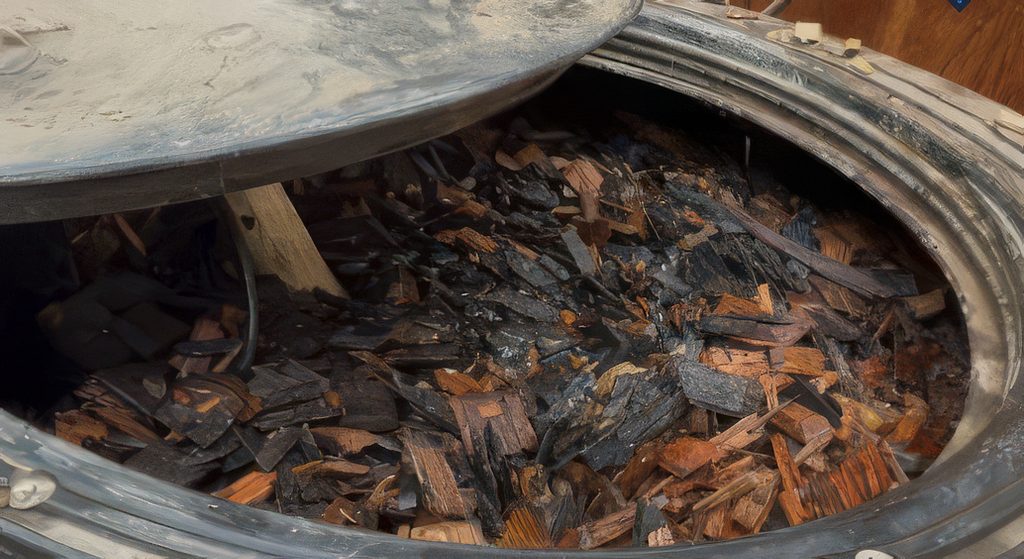
Water recycling is an increasingly important tool for greenhouse growers looking to conserve water, improve efficiency, and reduce nutrient and pesticide losses. But recycling irrigation water can also create a challenge: runoff may carry fertilizers and crop protection products back into storage tanks, where those materials can accumulate over time.
Researchers at Michigan State University, supported by AFE, are exploring a surprisingly simple potential solution: woodchips.
Led by Dr. Tom Fernandez, the research team has demonstrated that woodchip bioreactors can help remove unwanted pesticides from recycled greenhouse irrigation water while allowing growers to retain valuable nutrients such as nitrogen, phosphorus, potassium, and micronutrients. The goal is a treatment system that is practical, scalable, and affordable for commercial greenhouse and nursery operations.
How Does a Woodchip Bioreactor Work?
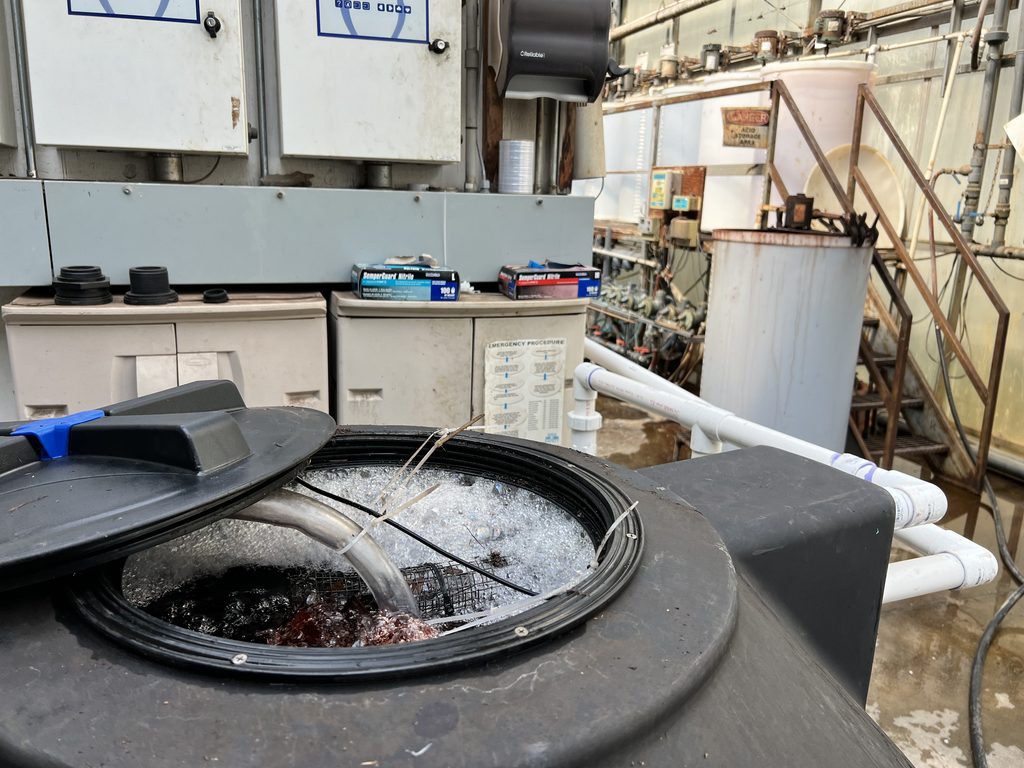
A woodchip bioreactor is essentially a tank or treatment area filled with woodchips through which water is passed. The wood provides both a surface for beneficial microorganisms to grow and a carbon source that supports microbial activity. Woodchips can also physically bind, or adsorb, some contaminants.
These systems have already been used in agriculture to remove nitrate from drainage water. Fernandez’s research has also shown that woodchip systems are capable of removing phosphorus and pesticides by increasing the time water remains in the bioreactor.
For this project, the researchers took the concept one step further by creating a two-stage treatment system.
Water first passes through a non-aerated woodchip bioreactor, where oxygen levels remain relatively low. It then moves into a second woodchip bioreactor that is continuously aerated. This matters because different microorganisms thrive under different oxygen conditions, and some pesticides may break down more effectively under aerobic conditions while others respond better to low-oxygen environments.
The diagram above shows how the system fits into an actual greenhouse recycling loop: irrigation water from a flood-and-drain system is collected in a collection tank[RTF3] , pumped through the two bioreactor stages, and then returned to the storage tank for reuse.
Testing the System at Commercial Scale
The researchers went beyond the laboratory and installed bioreactors at a wholesale greenhouse in Michigan. The system treated return water from approximately 11,500 square meters of greenhouse production.
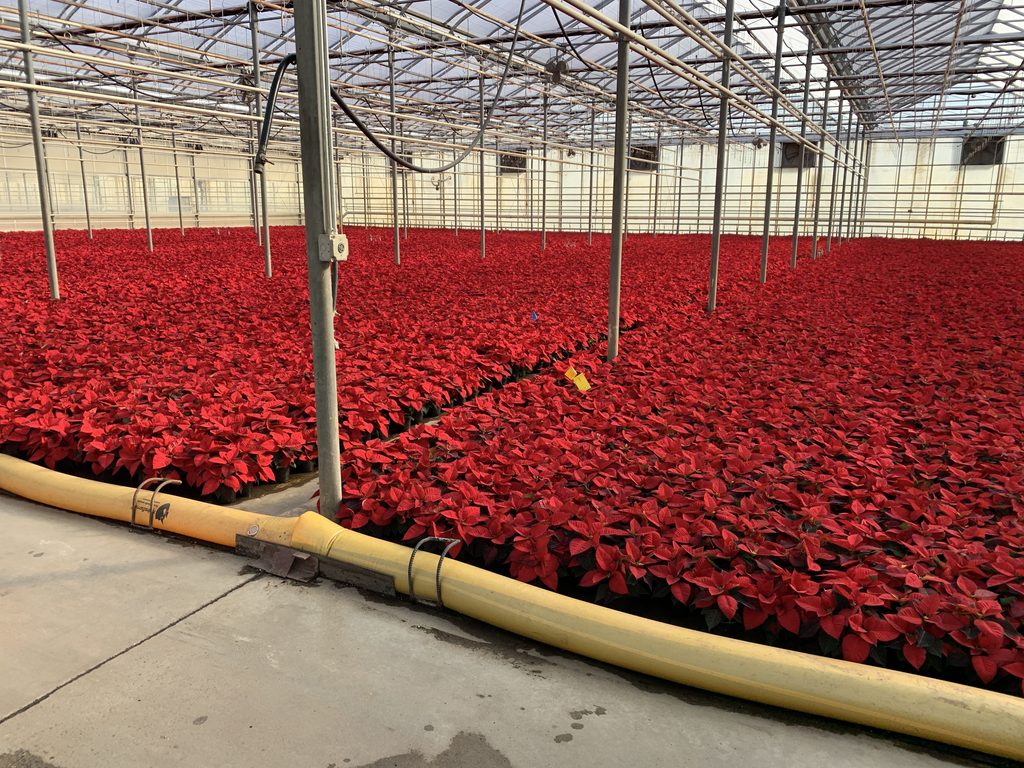
Two different-sized systems were tested. In one, water remained in each treatment stage for about 30 minutes; in the larger system, it remained for about 60 minutes. Researchers collected water throughout the production season and analyzed it for nutrients, water-quality characteristics, and hundreds of pesticides.
Early results show that the two-stage systems successfully created the different oxygen conditions researchers were seeking, allowing them to study how those environments affected nutrient recycling and pesticide treatment.
Importantly, the systems generally retained a high percentage of the nitrogen and phosphorus already present in the irrigation water. Nitrogen recycling often exceeded 80% and, under some conditions, averaged about 91%. Phosphorus recycling was also high in the initial non-aerated treatment stage. The systems needed an initial acclimation period, but their performance became more stable as the season progressed.
What About Pesticides?
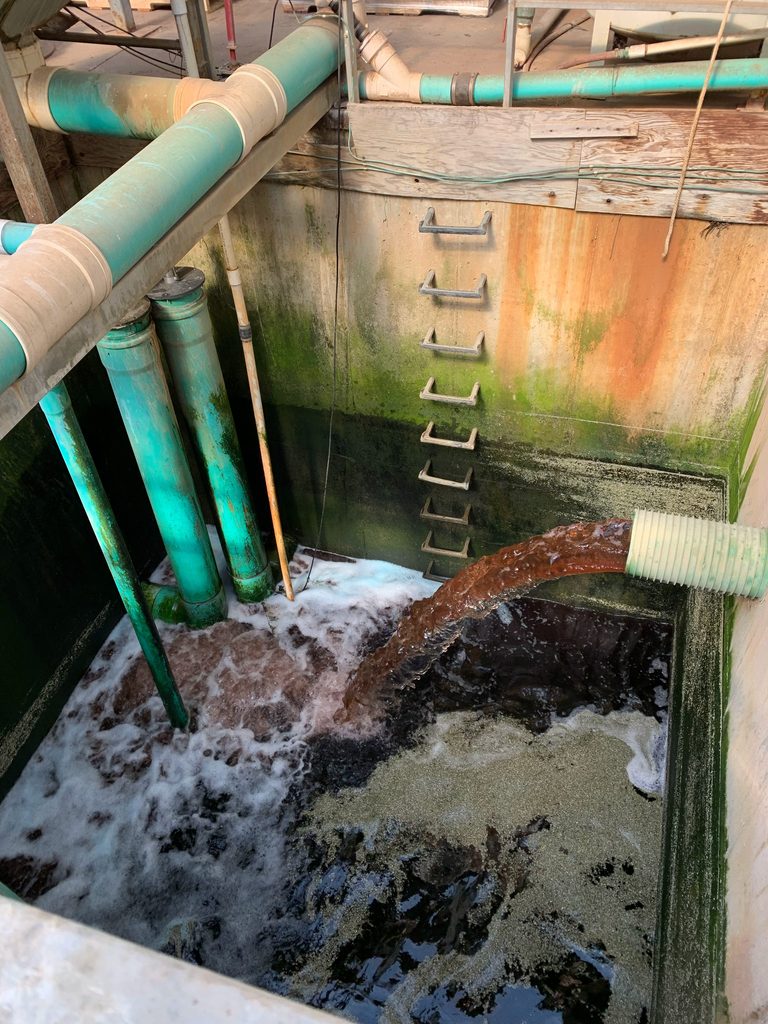
Two pesticide active ingredients, dinotefuran and cyazofamid, were detected in the recycled irrigation water during an earlier study.
In the later study with 30- and 60-minute retention times, some of the same pesticides and some new ones were detected. Removal varied considerably over the season, but the results suggest that longer treatment times may improve pesticide removal, particularly for dinotefuran (by 42%) and flonicamid (by 54%). Aeration increased removal of cyazofamid (by 62%), dinotefuran (by 44%), and thiamethoxam (by 58%), and cyantraniliprole (by 7%).
That variability also highlights why the research is continuing. The team is analyzing the microbial communities living within the woodchips to better understand why the system works and how factors such as treatment time, oxygen levels, microbial activity, and the age of the woodchips influence performance.
Ultimately, the research could help growers recycle more water while retaining fertilizer value and reducing the environmental risks associated with irrigation runoff. Even relatively short treatment times showed promise, making woodchip bioreactors a potentially practical option for commercial operations.
For growers, that could mean turning a low-tech material such as woodchips into a useful tool for cleaner, more efficient water recycling.
Want more information about this research? Check out our recent Grow Pro Webinar on Bioreactors for Reduction of Agrochemicals in Agricultural Production Water.
By Dr. Tom Fernandez and Laura Barth


