
News
Discovering the Best Way to Preserve Eucalyptus Foliage
December 13, 2024
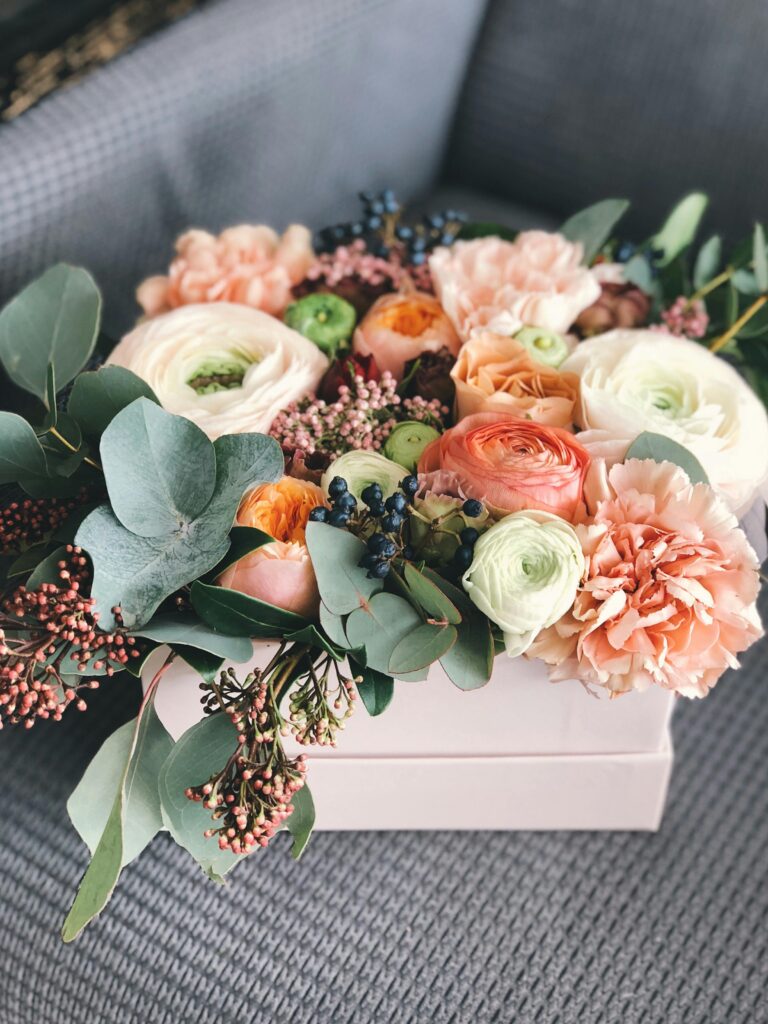
Eucalyptus foliage is loved for its fresh scent, soft color, and ability to add texture to floral arrangements and crafts. However, fresh eucalyptus doesn’t last forever, which is why preservation techniques are crucial for extending its beauty. A new study from Kansas State University, funded in part through AFE’s James & Helen Phillip Grant Scholarship, has revealed an effective and affordable method to preserve eucalyptus leaves using glycerin, a common household ingredient.
Preservation transforms fresh eucalyptus stems into long-lasting materials for floral design, botanical crafts, and décor. Historically, glycerin—a substance used in food and cosmetics—has been popular for preserving plant materials by replacing their natural moisture. While glycerin is effective, its usage can lead to challenges like faded leaf color or oily residue. The Kansas State University research team wanted to figure out the best ratio of glycerin to water for optimal preservation without these drawbacks.
The team conducted an experiment using Eucalyptus pulverulenta ‘Baby Blue’, a popular ornamental variety. Stems were placed in solutions of four glycerin-to-water ratios:
- 0% glycerin (control): Water only.
- 25% glycerin: A mix of one part glycerin to three parts water.
- 50% glycerin: Equal parts glycerin and water.
- 75% glycerin: Three parts glycerin to one part water.
Stems stayed in the solutions for two weeks in a controlled environment with consistent temperature and lighting. The researchers measured:
- Solution Absorption: How much liquid the stems absorbed.
- Leaf Color: The greenness of the leaves over time.
- Stem Flexibility: Whether stems could bend without breaking—a key feature for floral design.
Key Findings
- Solution Absorption:
- Stems in the water-only solution absorbed significantly more liquid (270 mL) compared to glycerin-treated stems, which absorbed less than 50 mL over the two-week period.
- Glycerin-treated stems retained their weight better, indicating that glycerin helps lock in moisture.
- Leaf Color:
- All glycerin-treated stems lost some of their natural green color, starting around day six of the experiment. The 25% and 50% glycerin solutions showed the most noticeable fading.
- To maintain vibrant foliage, dyes or paints may be needed.
- Stem Flexibility:
- After two weeks in the solutions, all stems—regardless of treatment—were equally pliable.
- After an additional week stored dry, glycerin-treated stems were much more flexible than those in water alone. The 50% and 75% glycerin solutions produced stems that bent without breaking even when pressure was applied near the base.

Based on these findings, the researchers recommend using a 25% glycerin solution to preserve eucalyptus for floral design and crafts. This ratio offers several benefits:
- Cost-Effective: Glycerin can be expensive, so using less reduces costs.
- Good Flexibility: Stems treated with 25% glycerin remain pliable enough for most floral and decorative uses.
- Ease of Use: The process is straightforward and requires minimal effort.
For those prioritizing stem flexibility over cost, a 50% glycerin solution can be used. However, the 75% solution may lead to greasy or sticky stems due to excess glycerin “bleeding.”
One downside of glycerin preservation is the loss of the leaves’ vibrant green color. This fading occurs because glycerin disrupts the chlorophyll in the leaves. To combat this, you can add plant-safe dyes to the solution or spray-paint the preserved foliage for a more polished look. These small adjustments can ensure that preserved eucalyptus retains its beauty.
Impact for Florists and Designers
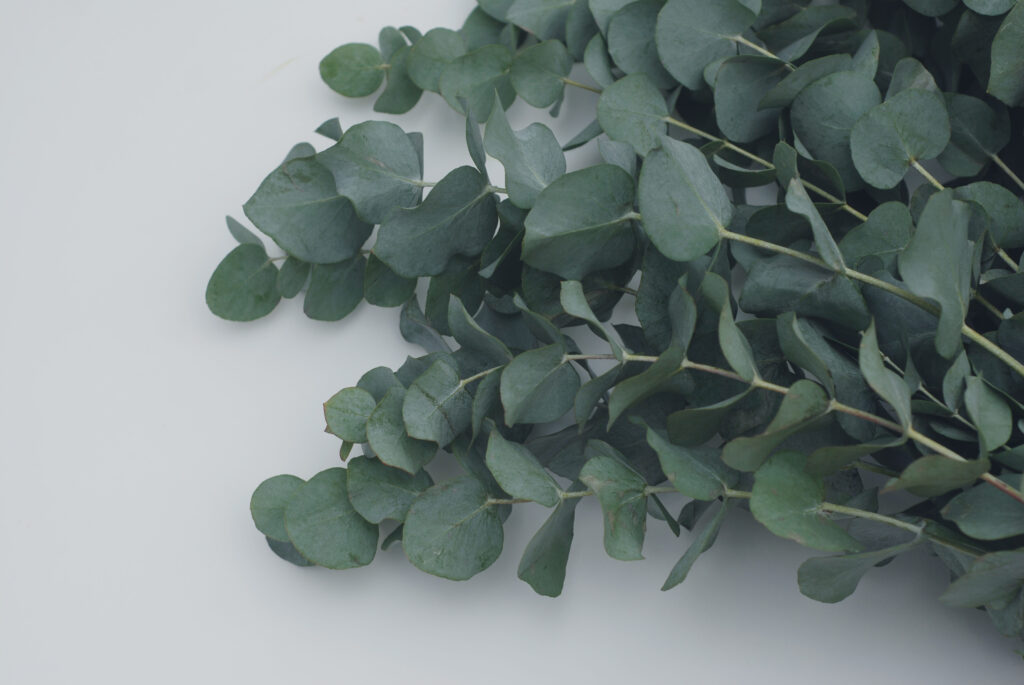
For florists, event planners, and botanical artists, preserved eucalyptus offers a versatile and long-lasting material. By using the optimal glycerin-to-water ratio, you can save costs while maintaining flexibility and usability. Whether it’s for wedding centerpieces, wall hangings, or seasonal wreaths, preserved eucalyptus ensures that your creations look fresh and professional for months—or even years.
This study highlights how a simple adjustment in preservation methods can make a big difference for professionals and hobbyists alike. Using a 25% glycerin solution not only extends the life of eucalyptus but also provides an affordable way to elevate your floral and botanical projects. With these insights, you can enjoy the beauty of eucalyptus for much longer—without worrying about wilting or breakage.
The James and Helen Phillip Scholarship Fund was established to honor James and Helen Phillip by providing scholarship assistance to people in need who are interested in careers in the retail and floral design sectors of the floral industry. The Fund was established by a $500,000 donation by their daughter, Lee Phillip Bell, in 2008. Ms. Bell passed away in 2020.
This AFE scholarship fund provides block grants to institutions to distribute to students primarily in the Great Lakes region. However, they are also available to other institutions with established floral design programs. The gift is designed to achieve several goals.


