
News
Sustainable Disease Management for Specialty Cut Flowers: Results from New Research
September 18, 2025
The specialty cut flower industry continues to grow rapidly across the U.S., with demand for locally grown flowers climbing each year. However, growers still face persistent production challenges, and one of the most critical is disease management. Soilborne diseases in particular can devastate crops, leading to 50–75% losses when flowers are grown in field soil. Traditionally, chemical fumigants like methyl bromide were used to suppress these pathogens, but those options are now phased out or heavily restricted due to environmental and health concerns.
This shift has left growers searching for sustainable alternatives that protect their crops while meeting consumer expectations for eco-friendly practices. Recent research conducted by Dr. Francesca Hand and her team at The Ohio State University, supported by the American Floral Endowment, has explored one such alternative: Anaerobic Soil Disinfestation (ASD). At the same time, the project developed a new educational resource, Diseases of Specialty Cut Flowers: A Farmer’s Guide to Disease Identification and Management, to help growers improve disease diagnosis and management strategies on their farms.
What is Anaerobic Soil Disinfestation (ASD)?
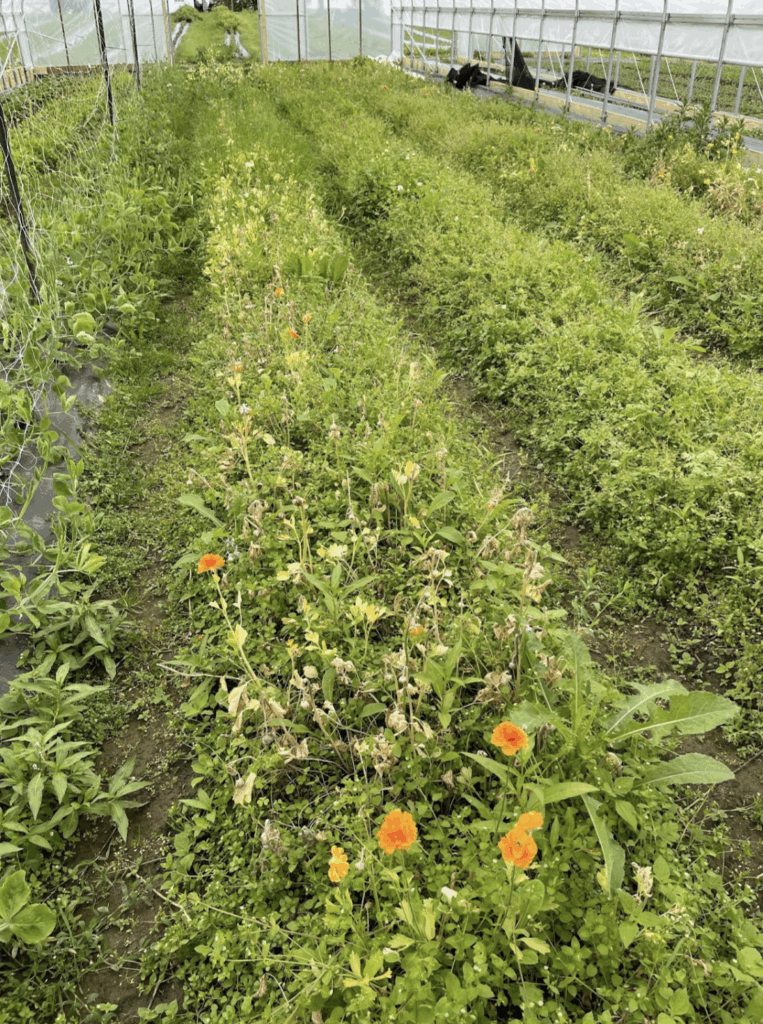
ASD is a non-chemical method originally studied in vegetable systems in the Netherlands and Japan. It works by:
- Incorporating a carbon source (such as tomato pomace, wheat bran, or molasses) into the soil.
- Saturating the soil with water.
- Covering it with an airtight tarp for 3–10 weeks.
During this process, soil microbes break down the carbon under oxygen-deprived conditions, producing gases and compounds that suppress many plant pathogens. The method has shown strong potential in vegetable crops, but until now, had not been widely tested in cut flower production.
Key Research Findings
1. Strong Control of Rhizoctonia solani
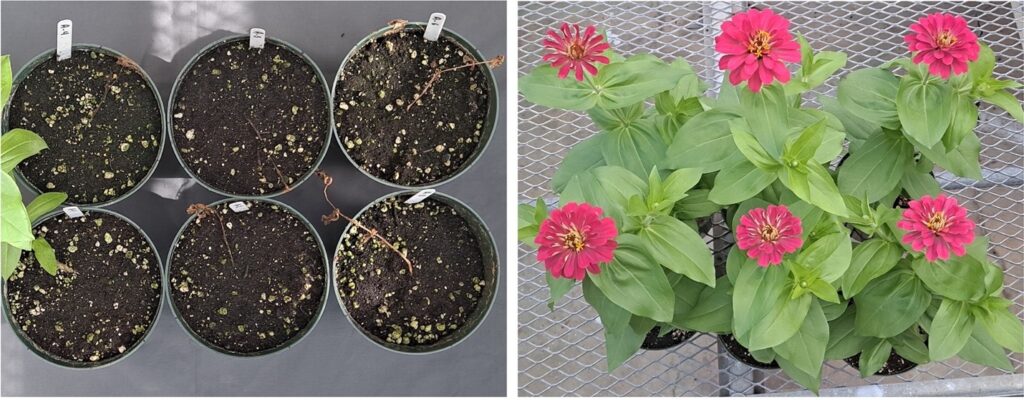
Rhizoctonia stem and crown rot is a major threat to zinnias and other cut flowers. In this study:
- Using tomato pomace or wheat bran in soilless media reduced disease incidence from 75–100% in control groups to just 8–33%.
- In soil-based mixes, ASD reduced disease incidence to as low as 0–16%, compared to 100% in untreated soil.
- Outdoor raised bed trials confirmed these results: wheat bran was especially effective, with plants remaining healthy throughout the study.
Takeaway for growers: ASD can be a powerful tool for managing Rhizoctonia in both greenhouse and field systems. Wheat bran and tomato pomace consistently performed best.
2. Mixed Results for Pythium and Phytophthora
Not all pathogens responded equally to ASD:
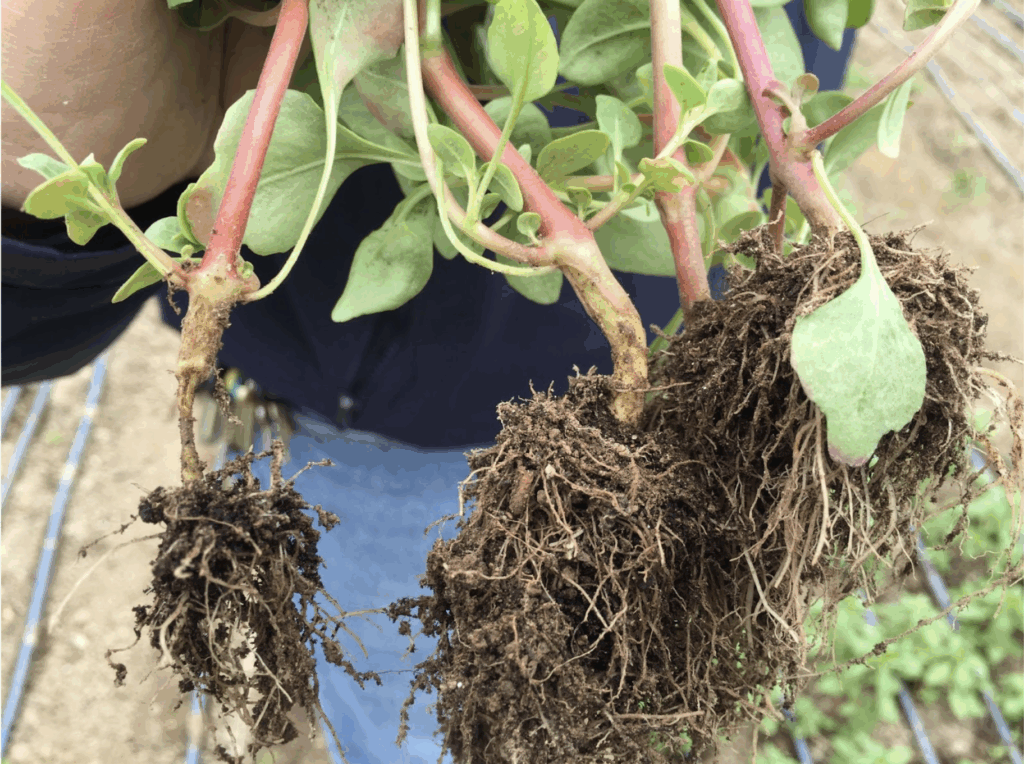
- Pythium root rot (ranunculus):
- Molasses and wheat middlings significantly reduced both disease incidence and severity in trials.
- These carbon sources show strong promise for Pythium management in cut flowers.
- Phytophthora root rot (gerbera daisy):
- ASD was ineffective and, in some cases, worsened the disease. The saturated conditions needed for ASD favored the spread of Phytophthora, leading to rapid plant death.
Takeaway for growers: ASD is pathogen-specific. It works well for Rhizoctonia and Pythium, but is not effective for Phytophthora. Careful consideration of target diseases is essential before implementing ASD.
3. The Importance of Carbon Sources
The choice of carbon amendment greatly influenced outcomes:
- Best performers: wheat bran, molasses, and tomato pomace.
- Secondary benefits: in addition to disease suppression, some amendments may contribute nutrients that support overall soil health.
- Economics matter: while higher application rates might improve control, further research is needed to confirm cost-effectiveness for commercial growers.
New Grower Education Resource
Recognizing that disease identification is the first step in effective management, the project team also developed a comprehensive new grower guide: “Diseases of Specialty Cut Flowers: A Farmer’s Guide to Disease Identification and Management” (OSU Extension Bulletin ANR783).
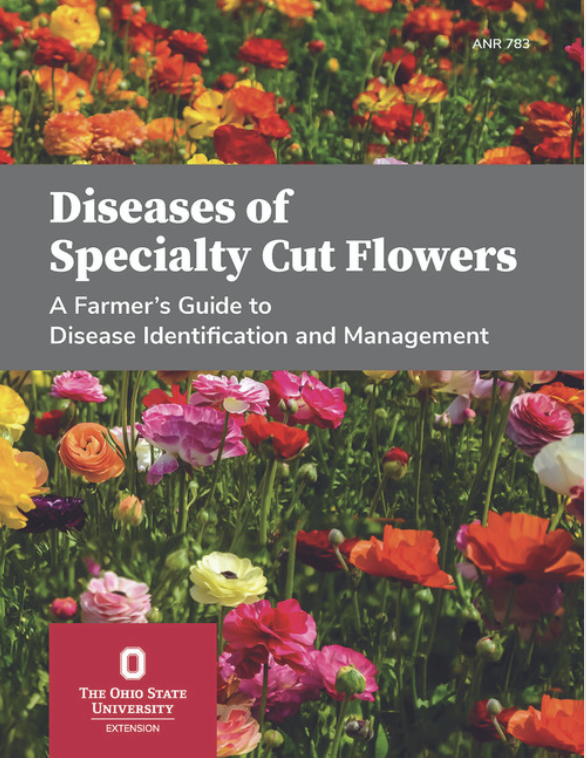
This 60-page guide covers:
- Fungal & oomycete diseases (e.g., Rhizoctonia, Pythium, Botrytis).
- Bacterial & phytoplasma diseases.
- Viral diseases.
- Nematode diseases.
Each section provides host range, disease symptoms, pathogen signs, environmental conditions that favor disease, and management recommendations. User-friendly tables list registered agrochemical products, including trade names, active ingredients, FRAC groups, and use sites (greenhouse, nursery, shadehouse, etc.).
As the specialty cut flower industry expands, growers face increasing pressure to produce high-quality stems while navigating the realities of disease threats and sustainability demands. This research confirms that ASD is a valuable addition to the disease management toolbox—especially for Rhizoctonia and Pythium—and that knowledge is just as critical as technology. With practical tools like the new disease guide and innovative methods like ASD, growers are better equipped than ever to safeguard their crops and thrive in today’s competitive marketplace.
Click here to read the full research report. Additional sustainability resources for growers can be found on Sustainabloom.org.


